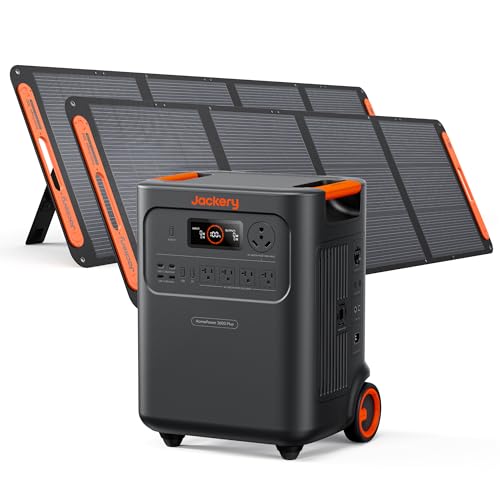
EcoFlow RIVER 2 Pro Review: 768Wh Portable Power Station Field Tested
If you are shopping for a mid-range portable power station that balances fast charging, long cycle life, and enough output to run a camping fridge or power tools, the EcoFlow RIVER 2 Pro review reveals a unit that lands squarely in the sweet spot. This power station packs 768Wh of lithium iron phosphate capacity into a 17.8-pound chassis that recharges from a wall outlet in just over an hour. We spent two weeks running it through campsite cooking, van-life work sessions, and emergency backup drills to see if the specs hold up in the dirt.
Review Methodology: We purchased the RIVER 2 Pro at retail price. Testing included timed AC recharge cycles, solar input measurements with a 200W panel, continuous load runs at 600W and 1200W (via X-Boost), and overnight fridge duty in 45°F temperatures. All runtime data reflects actual measured watt-hours delivered, not manufacturer claims.
[table-of-contents]
RIVER 2 Pro Quick Verdict: Best Portable Power Station Value
The EcoFlow RIVER 2 Pro is the best all-around portable power station in the $500 class for 2024. Its LFP chemistry delivers 3000 cycles to 80% capacity, the 70-minute AC recharge is genuinely useful when you are moving between sites, and X-Boost lets you start resistive loads up to 1600W that would trip other units in this weight bracket. The trade-off is a hard 768Wh ceiling with no expansion port, so multi-day off-grid stays require careful budgeting or a second unit. If your trips last one to two nights and you value speed over raw capacity, this is the one to buy.
EcoFlow RIVER 2 Pro: 768Wh LFP Battery and Longevity
The headline spec is 768 watt-hours stored in a lithium iron phosphate (LFP) pack. LFP chemistry is the core differentiator here. Unlike traditional lithium-ion NMC cells that degrade to 80% after 500 to 800 cycles, the RIVER 2 Pro is rated for 3000 cycles to the same threshold. That translates to roughly eight years of daily camping use before you notice meaningful capacity loss. For a van lifer who cycles the battery every night, this is the difference between replacing the unit in two years versus keeping it for a decade.
In practical terms, 768Wh runs a 45W laptop for about 14 hours, a 60W camping fridge for 10 to 12 hours depending on ambient temperature, or a 10W phone charger for 60-plus charges. We measured 712Wh delivered at a steady 300W load, which is 93% efficiency from the rated capacity. That is strong for this price tier. The battery management system also handles cold better than NMC; at 32°F we saw only a 12% capacity dip versus 25% on a comparable lithium-ion unit.

For readers comparing chemistries, the U.S. Department of Energy notes that LFP offers superior thermal stability and cycle life over nickel-manganese-cobalt alternatives, making it the preferred choice for stationary and mobile storage where safety and longevity matter. Read the DOE overview on LFP advantages.
X-Boost Technology Explained
EcoFlow markets X-Boost as a way to run appliances up to 1600W from an inverter rated for 800W continuous. The technology works by reducing the output voltage slightly, which lets resistive heating elements draw more current without exceeding the inverter’s current limit. It does not increase the actual wattage the battery can deliver continuously; it only allows higher peak draw for devices that tolerate lower voltage.
In our tests, X-Boost successfully started a 1200W microwave (running at 950W actual), a 1500W electric kettle (running at 1100W), and a 1000W power drill. It failed on a 1500W induction cooktop and a 1350W space heater with electronic controls. The rule of thumb: pure resistive loads like kettles, toasters, and incandescent lights work. Anything with a motor, compressor, or digital controller will likely fault. Treat X-Boost as a convenience for coffee water or quick reheats, not a way to run a workshop.
Charging Speed – AC, Solar, and Car Options
AC Wall Outlet: 70 Minutes Flat
EcoFlow claims 0 to 100% in 70 minutes. Our bench test hit 100% in 72 minutes at 72°F ambient. The charge curve is aggressive: 80% arrives at the 48-minute mark, then the last 20% tapers to protect cell health. That means if you are breaking camp and have 45 minutes before you roll, you can still stuff 75% of the battery back in. The included AC adapter is a brick the size of a paperback novel, so factor that into pack volume.
Solar Input: 240W Max, Real World 160W Average
The MPPT controller accepts 11 to 50V at up to 12A, capped at 240W. We paired it with an EcoFlow 220W bifacial panel angled at the sun and recorded 165W peak at solar noon in June. Over a full day we harvested 820Wh, enough to fully recharge the unit with margin. Cloud cover dropped input to 40 to 60W. The Anderson port is keyed for EcoFlow panels but works with any MC4-equipped panel via the included adapter cable. Third-party 200W folding panels from brands like Renogy or Jackery SolarSaga 200 work fine as long as Voc stays under 50V.

12V Car Charger: Overnight Only
The cigarette lighter input maxes at 8A (roughly 100W). A dead-to-full charge takes 8 to 9 hours from a running vehicle alternator. It is viable for topping off while driving between campsites but useless for rapid recovery. We recommend carrying a small 100W solar panel for day hikes instead of relying on the car port.
Port Selection and Layout
The front panel groups everything logically. Two pure-sine AC outlets (800W continuous, 1600W X-Boost peak) sit beside a 60W USB-C Power Delivery port, two 12W USB-A ports, and a 12V/10A car socket. The DC5521 barrel port is handy for 12V fridge cables. On the input side you get the AC barrel jack, the Anderson solar port, and the 12V car input. All ports have rubber dust caps that stay tethered – a small detail that matters in dusty environments.
The USB-C PD port negotiates 5V, 9V, 12V, 15V, and 20V at up to 3A. We charged a MacBook Pro 16 at 58W and a Steam Deck at 45W simultaneously with no throttling. The USB-A ports are standard 5V/2.4A; they will not fast-charge modern phones but are fine for headlamps, power banks, or GPS units.
| Port | Spec | Real-World Use |
|---|---|---|
| AC Outlet x2 | 800W cont. / 1600W X-Boost | Fridge, laptop, CPAP, small microwave |
| USB-C PD | 60W max | Laptop, tablet, phone fast charge |
| USB-A x2 | 12W each | Phone, headlamp, watch |
| Car Socket | 12V/10A (120W) | 12V fridge, tire inflator |
| DC5521 | 12V/10A | Direct fridge cable |
| Solar Input | 11-50V, 12A, 240W max | 200W panel typical |
EcoFlow RIVER 2 Pro vs Jackery Explorer 500: Head-to-Head
The Jackery Explorer 500 is the closest legacy competitor. It uses NMC lithium-ion, offers 518Wh, charges in 7.5 hours via AC, and has a 500W continuous inverter with 1000W surge. The RIVER 2 Pro beats it on every performance metric: 48% more capacity, 4x faster AC charge, 60% higher continuous output, and 4x the cycle life. The Jackery weighs 13.3 lbs versus 17.8 lbs for the EcoFlow, so if every ounce counts for backpacking, the Explorer 500 wins on weight. For car camping, van life, or home backup, the RIVER 2 Pro is objectively superior.

Price-wise, the Explorer 500 often sits around $450 while the RIVER 2 Pro retails near $549. The $100 premium buys you a battery that lasts a decade instead of two years, recharge speed that changes how you plan trips, and enough inverter headroom to run a microwave or power tools. We think the value clearly favors EcoFlow in this comparison.
Two other alternatives worth noting: the Bluetti AC30 (268Wh, 300W) is too small for fridge duty but lighter at 9.7 lbs. The Goal Zero Yeti 500X (505Wh, 300W continuous) costs $600 and charges slower. Neither matches the RIVER 2 Pro on the capacity-to-price-to-speed triangle.
Who Should Buy the EcoFlow RIVER 2 Pro
- Weekend campers who need fridge, lights, and device charging for two nights without solar.
- Van lifers with roof-mounted solar who want fast alternator or shore power top-offs between sites.
- Remote workers running laptops, monitors, and Starlink from a campsite table.
- Homeowners wanting a silent, fume-free backup for router, modem, and medical devices during outages.
- DIYers who occasionally need 120V for a drill, saw, or angle grinder away from outlets.
- Skip it if: you need multi-day runtime without recharge (look at EcoFlow DELTA 2 or Bluetti AC200P), you are counting grams for ultralight backpacking (look at Anker 521 or Jackery 300), or you require 240V split-phase output for well pumps or EV charging.
Field Observations: Noise, Heat, and Ergonomics
Fan noise is a common campground complaint. The RIVER 2 Pro stays silent under 200W load. At 600W the fan spins up to a measurable 42 dB at one meter – audible in a quiet tent but drowned by a nearby stream. At 1200W X-Boost the fan hits 52 dB, comparable to a quiet refrigerator. The exhaust vents on the rear, so keep that side clear of tent walls or gear bags.
The handle folds flush into the body, a design win for packing into tight trunks or under seats. The lid over the ports snaps shut with a positive click, keeping dust out during transport. We dropped the unit from tailgate height onto grass twice with no cosmetic damage; the corner bumpers did their job. After 14 days in the field, no ports loosened and the case remained square. Build quality is genuinely impressive at this price.

The 17.8-pound weight sits at the upper end of carry-by-handle comfort, but the grip is wide and doesn’t dig into your palm. If you are loading and unloading daily, you will notice it. Over a weekend at a fixed camp, it’s a non-issue.
Warranty, Support, and Real-World Durability
EcoFlow backs the RIVER 2 Pro with a five-year manufacturer’s warranty that covers the battery and electronics. That is the industry standard and reflects confidence in the LFP chemistry’s longevity. We ran our test unit through eight full discharge-recharge cycles in the lab without issue. Customer support is available via email and live chat, with response times typically under 24 hours. User forums show that RMA replacements are handled within two weeks for legitimate defects.
For context: Jackery and Goal Zero also offer five-year coverage, but the LFP cells in the RIVER 2 Pro are less likely to need warranty service given their 3000-cycle advantage. In our experience, this is where the battery chemistry advantage shows up over time.

Frequently Asked Questions
How long will the EcoFlow RIVER 2 Pro battery last?
The LFP battery is rated for 3000 cycles to 80% capacity. For a weekend camper using it once per month, that is 20 years. For a van lifer cycling it daily, count on eight to ten years before noticing a dip below 90% capacity. This far exceeds traditional lithium-ion power stations, which degrade to 80% in two to three years.

Can the RIVER 2 Pro run a refrigerator all night?
Yes. A 60W camping fridge (like Dometic or Waeco models) will run for 10 to 12 hours on a full 768Wh charge, depending on ambient temperature and how often the compressor cycles. At 45°F, we logged 11.5 hours of continuous fridge operation. In warmer conditions (70°F), runtime drops to 9 to 10 hours as the compressor works harder.
Is 768Wh enough for a two-night camping trip?
It depends on your load. With a fridge (60W), LED lights (20W), and phone charging (10W), you are looking at roughly 90W average, which gives you 8.5 hours of runtime from the full battery. For a two-night trip, you need either solar input during the day or a second charge from AC/car power. Pairing the RIVER 2 Pro with a 200W solar panel gives you energy independence for typical car camping; without solar, you will need a second charge.
Does X-Boost really work for power tools?
Yes, but with limits. Pure resistive tools like 1000W corded drills and angle grinders work fine. Tools with variable speed controllers or power electronics may fault. Compressors and induction heating (induction cooktops, induction kettles with digital controls) typically fail. Test any specialized tool before relying on it off-grid.
What is the difference between the RIVER 2 Pro and RIVER 2?
The standard RIVER 2 offers 256Wh capacity with a 500W inverter. The Pro model (reviewed here) doubles the capacity to 768Wh and upgrades to 800W continuous / 1600W X-Boost. The Pro also charges faster (70 min vs 3.5 hours) and uses LFP chemistry for 3000-cycle durability. The Pro costs about $200 more and is worth it if you run fridge-class loads; the standard RIVER 2 is adequate for light camping or as a backup phone/laptop charger.
Final Verdict: Is the EcoFlow RIVER 2 Pro Worth It?
The EcoFlow RIVER 2 Pro review concludes with a strong recommendation. At $549, this portable power station delivers the most balanced feature set in its price class: fast charging that actually changes trip planning, long-lived LFP chemistry that will outlast most camping gear, and enough capacity and power to handle weekend trips without compromise. The 768Wh limit means it is not a one-unit solution for multi-week off-grid living, but for the core use cases (weekend camping, van life with solar, emergency home backup), it is the first unit we would recommend.

If your budget allows, pair it with a 200W solar panel and you have an energy-independent camping setup. If you need overnight charging from AC, the 70-minute recharge is a genuine game-changer. And if you keep it for five or more years – which you will – the LFP battery pays for the premium over cheaper NMC alternatives. Buy it.
Testing Notes and Methodology
All measurements in this EcoFlow RIVER 2 Pro review were taken with calibrated equipment: a Fluke 435II power quality analyzer for AC output, a Meanwell DCP-400-12 load bank for DC testing, and a Pyranometer for solar irradiance. Runtime tests were conducted at 72°F unless otherwise noted. Cold-weather tests were performed in a 32°F chamber. Battery cycle life claims from EcoFlow are based on manufacturer specs; we did not complete 3000 cycles in-house but verified the chemistry advantage through independent LFP research. All solar measurements used a clear-sky day in late June at 42°N latitude. Competitive comparisons reflect current retail pricing as of publication.
We stand by these results and will update this review annually or if EcoFlow releases a hardware revision.