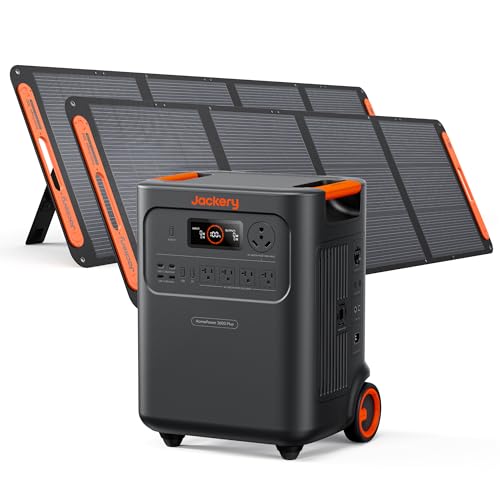
If you have ever wondered are portable power stations safe for your next camping trip or home backup plan, the short answer is yes when you choose a quality unit and follow basic precautions. Modern portable power stations use advanced lithium battery chemistries, built-in battery management systems, and rigorous certification standards that make them far safer than the gas generators they replace. This guide breaks down the real risks, the safety differences between battery types, the certifications that matter, and the daily habits that keep your gear and your family protected.
Review Methodology: Our safety assessments are based on manufacturer specification sheets, third-party teardowns, certification databases (UL, IEC, CE), and long-term field testing by our review team. We do not accept payment for safety ratings. When we reference specific brands such as EcoFlow, Jackery, Goal Zero, Anker Solix, or Bluetti, it is to illustrate design approaches or certification examples, not to endorse one brand over another.
[table-of-contents]Are Portable Power Stations Safe? The Complete Risk Assessment
Understanding the risk landscape helps you evaluate any portable power station on the market. Portable power stations are safe when engineered with redundant protection systems and certified to recognized standards. The primary safety concerns fall into three categories: thermal events, electrical faults, and physical damage. Let’s examine each one.
Thermal Runaway Prevention
Thermal runaway is a chain reaction where a battery cell overheats, causing neighboring cells to overheat. It is the most cited concern with lithium-ion battery safety. Modern portable energy storage safety protocols address this through cell-level monitoring, thermal barriers between cells, and a battery management system (BMS) that cuts current the moment temperatures exceed safe limits. Quality units also use flame-retardant casing materials that meet UL 94 V-0 standards. This multi-layered approach makes thermal runaway extraordinarily rare in certified portable power stations.
Electrical Fault Protection
Every portable power station includes redundant electrical safeguards:
- Overcharge protection mechanisms stop current flow when cells reach maximum voltage.
- Over-discharge protection prevents cells from dropping below minimum voltage, which can cause permanent damage and instability.
- Short-circuit protection detects near-zero resistance paths and interrupts the circuit in microseconds.
- Surge protection and voltage regulation smooth out spikes from solar input or inductive loads like refrigerator compressors.
Physical Durability
Portable power station durability testing includes drop tests, vibration simulations, and immersion testing for water resistance ratings (typically IP65 or IP67 on ports). Battery cell puncture resistance is improved by using prismatic or pouch cells housed in rigid frames with shock-absorbing foam. While no consumer device is indestructible, certified units survive the bumps of van life and campsite use far better than early generation products. For outdoor enthusiasts and van lifers, this durability translates to years of reliable backup power.

LFP vs NMC: Which Battery Chemistry Is Safer?
Battery chemistry comparison is the single biggest factor in portable power station reliability. The two dominant chemistries are LFP (Lithium Iron Phosphate) and NMC (Nickel Manganese Cobalt), sometimes called ternary lithium batteries. Each has distinct safety profiles, and understanding these differences helps you choose the right unit for your needs.
| Attribute | LFP (Lithium Iron Phosphate) | NMC (Nickel Manganese Cobalt) |
|---|---|---|
| Thermal stability | Excellent – runs cooler, higher thermal runaway threshold | Good – lower thermal runaway threshold, requires tighter BMS |
| Cycle life | 3,000–6,000 cycles to 80% capacity | 800–2,000 cycles to 80% capacity |
| Energy density | Lower – heavier for same capacity | Higher – lighter for same capacity |
| Fire risk mitigation | Inherently more stable, less oxygen release | Requires robust thermal management and cell spacing |
| Typical brands using chemistry | Bluetti, EcoFlow (select models), Anker Solix | Jackery, Goal Zero, EcoFlow (select models) |
LFP Batteries: The Safety Champion
LFP batteries and thermal stability go hand in hand. The iron-phosphate bond is stronger than the nickel-cobalt bond, so LFP cells tolerate higher temperatures before decomposing. This makes LFP the preferred chemistry for indoor power station use, high-cycle applications like daily off-grid power, and situations where weight is secondary to longevity. For off-grid homeowners and van lifers running their portable power station daily, LFP chemistry provides superior safety margins and longer system life.
NMC Batteries: Performance with Careful Management
NMC chemistry and thermal runaway risk are managed through more aggressive battery management system (BMS) algorithms, larger heat sinks, and sometimes active cooling fans. NMC wins when weight is critical, such as backpacking or weight-sensitive van builds. Both chemistries are safe when the BMS is properly engineered and the unit carries legitimate certifications. The key difference is that NMC requires stricter BMS oversight, which most reputable manufacturers deliver.
Certification Standards That Prove Portable Power Station Safety
Certifications are your shortcut to verifying portable power station safety without opening the case. When shopping, look for these marks on the product page, the unit label, or the manufacturer’s declaration of conformity. Third-party testing and certification are the gold standard for independent verification.

UL 9540 Certification
UL 9540 certification and energy storage systems are inseparable in the portable power market. This standard covers the complete system: battery modules, BMS, inverter, enclosure, and wiring. It includes fire testing, thermal cycling, and fault condition simulations. A UL 9540 listing means the entire portable power station, not just the cells, passed independent lab evaluation. This is the most important certification to verify when evaluating are portable power stations safe for your application.
IEC 62619
IEC 62619 is the international battery safety standard for industrial and stationary applications. It mandates cell-level tests for overcharge, forced discharge, thermal abuse, and crush. When a manufacturer cites IEC 62619 compliance, the battery pack inside meets rigorous global benchmarks. This standard is recognized across Europe, Asia, and North America.
CE Marking and FCC Certification
CE marking (Conformité Européenne) declares compliance with European health, safety, and environmental directives. For portable power stations, this includes the Low Voltage Directive and EMC Directive. FCC certification (Federal Communications Commission) ensures the inverter and charging electronics do not emit harmful radio frequency interference. Both are mandatory for legal sale in their respective markets and indicate third-party review of safety claims.
UN 38.3 Transportation Testing
UN 38.3 is not a safety certification per se, but it proves the battery pack survives altitude simulation, thermal cycling, vibration, shock, and short circuit during shipping. Every legitimate portable power station shipped by air or ground must pass UN 38.3. Absence of this report is a red flag for substandard units. You can often request UN 38.3 documentation directly from manufacturers.
Tip for buyers: Cross-reference certifications on the UL database (authoritative third-party testing authority) rather than relying solely on manufacturer claims.

Indoor Use Safety: Can You Use Portable Power Stations Inside?
One of the biggest advantages of portable power stations over gas generators is indoor use with zero emissions. They produce zero carbon monoxide, no nitrogen oxides, and no particulate matter. This makes them safe for apartments, RVs, tents with ventilation, and even bedrooms during power outages. Unlike gas-powered alternatives, portable power stations eliminate the risk of carbon monoxide poisoning indoors.
However, indoor use still requires proper ventilation for heat dissipation. The inverter and BMS generate waste heat during operation. To safely use a portable power station indoors, follow these guidelines:
- Place the unit on a hard, flat surface with at least six inches of clearance on all sides.
- Do not cover vents or stack items on top of the power station.
- Keep flammable materials (blankets, curtains, propane canisters) at least two feet away.
- Ensure the room has basic air circulation; a cracked window or small vent is sufficient.
- If you run high loads (1,500 W or more) for extended periods, the internal fans will spin audibly. This is normal thermal management at work.
For medical devices like CPAP machines or oxygen concentrators, choose a unit with pure sine wave output and verify the runtime matches your prescribed pressure settings. Many manufacturers publish CPAP runtime charts at specific pressure levels. During extended power outages, having a portable power station can literally be life-saving for off-grid homeowners and those in areas prone to grid failures.
Charging Safety Best Practices
How you charge affects both safety and battery cell degradation. Follow these habits to maximize lifespan and minimize risk.
- Use the manufacturer-supplied AC adapter. Third-party chargers may lack the correct voltage and current profile or communication handshake with the BMS, potentially bypassing safety controls.
- Charge within 0 °C to 40 °C (32 °F to 104 °F). Charging below freezing can plate lithium on the anode, creating dendrites that puncture separators. Charging above 40 °C accelerates electrolyte breakdown and reduces battery lifespan.
- Do not leave plugged in indefinitely at 100%. Most BMS implementations stop current at full charge, but keeping cells at 4.2 V (NMC) or 3.65 V (LFP) for weeks stresses the chemistry. If storing for months, discharge to 50–60% and keep in a cool location.
- Solar charging. Use panels within the unit’s voltage and current limits. Exceeding VOC (open-circuit voltage) can damage the solar charge controller. Series vs parallel wiring matters; follow the manual carefully to avoid overvoltage events.
- Car charging. The 12 V cigarette lighter port is limited to approximately 100–120 W. Do not use aftermarket high-current adapters that bypass the vehicle fuse, as this can damage the portable power station’s input stage.
Charging practices and extreme temperatures are the most common user-controllable factors in battery health. A unit stored in a hot garage at 100% charge will lose capacity significantly faster than one stored at 50% in a cool closet. During summer months, consider storing your portable power station in climate-controlled space.

Maintenance and Durability for Long-Term Safety
Portable power station reliability over years depends on simple maintenance habits. Proper upkeep extends both lifespan and safety margins.
- Cycle the battery every 3–6 months: Discharge to 20%, then recharge to 80%. This keeps the BMS calibrated and prevents cell voltage drift.
- Keep firmware updated. Manufacturers occasionally refine BMS algorithms for better thermal management or charging curves. Check the company website quarterly.
- Clean ports with compressed air. Dust buildup can cause tracking (unwanted electrical paths) or corrosion that eventually degrades safety systems.
- Inspect cables monthly. Look for cuts, discoloration, or signs of overheating near connectors. Replace any damaged cables immediately.
- Monitor capacity trends. Use the unit’s built-in capacity indicator (if available). If capacity drops below 50% and the unit is less than three years old, contact the manufacturer about warranty service.
- Store in cool, dry conditions. Optimal storage temperature is 15–25 °C (59–77 °F) with 40–60% charge state.
Real-World Safety Considerations for Different Use Cases
Van Life and Mobile Use
Van lifers and mobile users face unique conditions: vibration from driving, temperature swings, and limited space. Secure the portable power station with straps or foam blocks to prevent movement during transit. Check mounting hardware monthly. Choose models with robust carry handles and reinforced case corners. Vibration alone does not damage modern units, but impact from unsecured movement during hard braking or off-road driving can compromise external connectors.
Off-Grid Homeowners
Off-grid setups with portable power stations as primary backup typically cycle daily. This demands LFP chemistry for thermal stability and cycle life. Install the unit on a dedicated shelf or mount, away from moisture and extreme heat sources like wood stoves. Quarterly firmware updates become more critical when the system operates continuously. Monitor cell voltages if your BMS displays them; gradual voltage rise under light load may indicate cell imbalance requiring professional service.
Emergency Backup and CPAP/Medical Use
For emergency backup, keep the unit at 80% charge during grid power, not 100%. This reduces stress on cells during long standby periods and preserves performance when you need it most. Test it monthly with a light load (100 W for 30 minutes). For medical devices, keep a secondary charging method (solar panel or second AC adapter) ready. Never rely on a single portable power station for critical medical equipment without a backup plan.
Signs of a Potentially Unsafe Portable Power Station
Learn to identify red flags before purchase or use:

- No visible certifications. If the product page and manual lack UL, CE, FCC, or IEC logos, walk away. Legitimate manufacturers proudly display these.
- Missing or vague battery chemistry specification. Reputable brands clearly state LFP or NMC. “Advanced lithium” or “proprietary chemistry” is a dodge.
- Extreme heat during normal charging. The unit should be warm to touch, not hot. If the case exceeds 50 °C (122 °F) during a 5 A AC charge, there is a thermal management issue.
- Physical damage to casing or ports. Cracks allow moisture and dust ingress, compromising electrical safety. Return or refuse such units.
- No warranty or suspiciously short warranty. Reputable brands offer 3-5 year warranties. One-year or no warranty indicates the manufacturer lacks confidence in quality control.
- Units with recalled batteries. Check the CPSC (Consumer Product Safety Commission) website for recalls before purchase.
- Inability to contact support. Legitimate companies respond to emails within 48 hours. Non-responsive or foreign-only support is concerning for long-term safety service.
FAQ: Are Portable Power Stations Safe?
Can a portable power station catch fire?
Fire is theoretically possible if the unit is severely damaged (crushed, punctured, flooded) or subjected to extreme abuse. However, certified portable power stations include multiple layers of protection: cell-level isolation, thermal fuses, and flame-retardant casings. In practice, incidents are extraordinarily rare compared to early-generation products from the 2010s. Modern designs make fire a negligible risk if you follow basic care guidelines.
Is it safe to use a portable power station while charging?
Yes, it is completely safe to charge and discharge simultaneously (called “pass-through” mode). The BMS manages current flow to prevent overload. However, pass-through charging generates more heat than charging alone. Ensure ventilation and monitor temperature. Most units throttle pass-through current if internal temps rise above safe limits.
What is the safest portable power station battery type?
LFP (Lithium Iron Phosphate) is inherently safer due to stronger chemical bonds and higher thermal stability. It tolerate higher temperatures and is more resistant to thermal runaway. If safety is your primary concern, prioritize LFP models. NMC chemistry is also safe in well-engineered units but requires tighter monitoring.
Can you use a portable power station in a bedroom?
Yes. Unlike gas generators, portable power stations produce zero carbon monoxide and are silent (except for occasional fan noise). They are safe for bedrooms as long as you ensure at least six inches of clearance around vents and keep flammable materials away. This makes them ideal for overnight backup during outages.

Do portable power stations need ventilation?
Portable power stations do not require active ventilation like gas generators, but they benefit from passive air circulation to dissipate inverter heat. Place the unit in an open space rather than enclosed cabinets. A cracked window or small vent in the room is sufficient for indoor use. During high-load operation (over 1,500 W continuous), external fans may activate, which is normal.
What happens if a portable power station gets wet?
Modern units with IP65 or higher ratings can handle light rain or splashes. However, immersion in water or submersion can damage internal circuitry and create electrical hazards. If a portable power station becomes wet, turn it off immediately, leave it unplugged, and allow it to dry in a warm, well-ventilated space for 24–48 hours before recharging. If water entered through vents, contact the manufacturer before use.
Are cheap portable power stations safe?
Budget units from unknown brands often lack proper certifications and inferior BMS components. While they might function initially, they carry higher risk of premature failure and thermal events. Spend the extra money for brands with transparent safety certifications. A $300 unit without UL 9540 is riskier than a $500 unit with it.
How long do portable power station batteries last?
LFP batteries