How to Calculate How Much Power You Need for Camping

How do I know if my devices will work with a power station inverter?

Can I use a power station while it’s charging from solar?

Yes. Most modern power stations allow simultaneous solar input and AC load output. In fact, this is the core of off-grid camping: solar charges the battery while you draw power. If solar input exceeds your load, the battery charges. If your load exceeds solar input, the battery discharges. This is called “pass-through charging” and nearly all quality units support it.

How do I know if my devices will work with a power station inverter?

Is it better to size a bigger power station or add more solar?

For a family of two with a fridge, lights, and device charging, plan 800 to 1200 Wh per day. A 1500 to 2000 Wh power station covers two nights comfortably. Adding a 100 W solar panel lets you extend indefinitely or use a smaller battery.

Can I use a power station while it’s charging from solar?

Yes. Most modern power stations allow simultaneous solar input and AC load output. In fact, this is the core of off-grid camping: solar charges the battery while you draw power. If solar input exceeds your load, the battery charges. If your load exceeds solar input, the battery discharges. This is called “pass-through charging” and nearly all quality units support it.

How do I know if my devices will work with a power station inverter?

Is it better to size a bigger power station or add more solar?

What power station capacity do I need for a weekend car camping trip?

For a family of two with a fridge, lights, and device charging, plan 800 to 1200 Wh per day. A 1500 to 2000 Wh power station covers two nights comfortably. Adding a 100 W solar panel lets you extend indefinitely or use a smaller battery.

Can I use a power station while it’s charging from solar?

Yes. Most modern power stations allow simultaneous solar input and AC load output. In fact, this is the core of off-grid camping: solar charges the battery while you draw power. If solar input exceeds your load, the battery charges. If your load exceeds solar input, the battery discharges. This is called “pass-through charging” and nearly all quality units support it.

How do I know if my devices will work with a power station inverter?

Is it better to size a bigger power station or add more solar?

What power station capacity do I need for a weekend car camping trip?

For a family of two with a fridge, lights, and device charging, plan 800 to 1200 Wh per day. A 1500 to 2000 Wh power station covers two nights comfortably. Adding a 100 W solar panel lets you extend indefinitely or use a smaller battery.

Can I use a power station while it’s charging from solar?

Yes. Most modern power stations allow simultaneous solar input and AC load output. In fact, this is the core of off-grid camping: solar charges the battery while you draw power. If solar input exceeds your load, the battery charges. If your load exceeds solar input, the battery discharges. This is called “pass-through charging” and nearly all quality units support it.

How do I know if my devices will work with a power station inverter?

Is it better to size a bigger power station or add more solar?

Multi-Day Trips and Autonomy Planning

If you camp without resupply for 5+ days, you must either carry enough battery capacity or guarantee solar recharge. Here is the math:

  • Full autonomy (no solar, no resupply): Battery capacity must equal (Daily Wh × Number of Days). This is heavy and expensive.
  • Solar hybrid (assumed sunny days): Battery capacity = (Daily Wh × 2). Solar covers half on average days. On cloudy days you draw down; on sunny days you recharge. Requires honest weather forecasting.
  • Load reduction (extended trips): Cut consumption with propane cooking, solar-charged USB banks for phones, unplug non-essentials after dark. Realistic daily budget drops 30 to 50 percent, making smaller batteries viable.

Quick Reference: Typical Camping Device Wattages

Use this table to estimate devices you haven’t measured yet:

Device Type Typical Continuous Watts Peak/Surge Watts
Smartphone charging (USB-C 20 W) 15 to 20 20
Laptop charger (65 W) 50 to 65 65
LED lantern (10 W equivalent) 1 to 3 3
Mini-fridge compressor (45 L) 35 to 50 80 to 120 (startup)
CPAP machine (no humidifier) 30 to 50 50 to 70
Portable coffee maker (600 W) 600 600 to 800
Electric kettle (1500 W) 1500 1500 to 1800
Induction cooktop (portable) 1400 to 1800 1800 to 2000
Portable air pump (12 V) 120 150
Tire inflator (120 V AC) 300 to 500 500 to 800

Frequently Asked Questions

What power station capacity do I need for a weekend car camping trip?

For a family of two with a fridge, lights, and device charging, plan 800 to 1200 Wh per day. A 1500 to 2000 Wh power station covers two nights comfortably. Adding a 100 W solar panel lets you extend indefinitely or use a smaller battery.

Can I use a power station while it’s charging from solar?

Yes. Most modern power stations allow simultaneous solar input and AC load output. In fact, this is the core of off-grid camping: solar charges the battery while you draw power. If solar input exceeds your load, the battery charges. If your load exceeds solar input, the battery discharges. This is called “pass-through charging” and nearly all quality units support it.

How do I know if my devices will work with a power station inverter?

Is it better to size a bigger power station or add more solar?

Multi-Day Trips and Autonomy Planning

If you camp without resupply for 5+ days, you must either carry enough battery capacity or guarantee solar recharge. Here is the math:

  • Full autonomy (no solar, no resupply): Battery capacity must equal (Daily Wh × Number of Days). This is heavy and expensive.
  • Solar hybrid (assumed sunny days): Battery capacity = (Daily Wh × 2). Solar covers half on average days. On cloudy days you draw down; on sunny days you recharge. Requires honest weather forecasting.
  • Load reduction (extended trips): Cut consumption with propane cooking, solar-charged USB banks for phones, unplug non-essentials after dark. Realistic daily budget drops 30 to 50 percent, making smaller batteries viable.

Quick Reference: Typical Camping Device Wattages

Use this table to estimate devices you haven’t measured yet:

Device Type Typical Continuous Watts Peak/Surge Watts
Smartphone charging (USB-C 20 W) 15 to 20 20
Laptop charger (65 W) 50 to 65 65
LED lantern (10 W equivalent) 1 to 3 3
Mini-fridge compressor (45 L) 35 to 50 80 to 120 (startup)
CPAP machine (no humidifier) 30 to 50 50 to 70
Portable coffee maker (600 W) 600 600 to 800
Electric kettle (1500 W) 1500 1500 to 1800
Induction cooktop (portable) 1400 to 1800 1800 to 2000
Portable air pump (12 V) 120 150
Tire inflator (120 V AC) 300 to 500 500 to 800

Frequently Asked Questions

What power station capacity do I need for a weekend car camping trip?

For a family of two with a fridge, lights, and device charging, plan 800 to 1200 Wh per day. A 1500 to 2000 Wh power station covers two nights comfortably. Adding a 100 W solar panel lets you extend indefinitely or use a smaller battery.

Can I use a power station while it’s charging from solar?

Yes. Most modern power stations allow simultaneous solar input and AC load output. In fact, this is the core of off-grid camping: solar charges the battery while you draw power. If solar input exceeds your load, the battery charges. If your load exceeds solar input, the battery discharges. This is called “pass-through charging” and nearly all quality units support it.

How do I know if my devices will work with a power station inverter?

Is it better to size a bigger power station or add more solar?

Check your power station’s continuous and peak wattage ratings. Match them to your highest expected simultaneous draw, not just average loads.

Temperature Effects on Battery Performance

Lithium batteries lose usable capacity in cold. A 1000 Wh station at 77 °F might deliver only 750 Wh at 32 °F due to increased internal resistance. Below freezing, recharge rates also slow. NMC chemistry is slightly more cold-sensitive than LiFePO4.

For winter camping or northern trips, add another 15 to 25 percent to your buffer if temperatures drop below 50 °F. Insulate the power station and solar panels during setup. Some users place a station in a sleeping bag at night to retain heat.

Multi-Day Trips and Autonomy Planning

If you camp without resupply for 5+ days, you must either carry enough battery capacity or guarantee solar recharge. Here is the math:

  • Full autonomy (no solar, no resupply): Battery capacity must equal (Daily Wh × Number of Days). This is heavy and expensive.
  • Solar hybrid (assumed sunny days): Battery capacity = (Daily Wh × 2). Solar covers half on average days. On cloudy days you draw down; on sunny days you recharge. Requires honest weather forecasting.
  • Load reduction (extended trips): Cut consumption with propane cooking, solar-charged USB banks for phones, unplug non-essentials after dark. Realistic daily budget drops 30 to 50 percent, making smaller batteries viable.

Quick Reference: Typical Camping Device Wattages

Use this table to estimate devices you haven’t measured yet:

Device Type Typical Continuous Watts Peak/Surge Watts
Smartphone charging (USB-C 20 W) 15 to 20 20
Laptop charger (65 W) 50 to 65 65
LED lantern (10 W equivalent) 1 to 3 3
Mini-fridge compressor (45 L) 35 to 50 80 to 120 (startup)
CPAP machine (no humidifier) 30 to 50 50 to 70
Portable coffee maker (600 W) 600 600 to 800
Electric kettle (1500 W) 1500 1500 to 1800
Induction cooktop (portable) 1400 to 1800 1800 to 2000
Portable air pump (12 V) 120 150
Tire inflator (120 V AC) 300 to 500 500 to 800

Frequently Asked Questions

What power station capacity do I need for a weekend car camping trip?

For a family of two with a fridge, lights, and device charging, plan 800 to 1200 Wh per day. A 1500 to 2000 Wh power station covers two nights comfortably. Adding a 100 W solar panel lets you extend indefinitely or use a smaller battery.

Can I use a power station while it’s charging from solar?

Yes. Most modern power stations allow simultaneous solar input and AC load output. In fact, this is the core of off-grid camping: solar charges the battery while you draw power. If solar input exceeds your load, the battery charges. If your load exceeds solar input, the battery discharges. This is called “pass-through charging” and nearly all quality units support it.

How do I know if my devices will work with a power station inverter?

Is it better to size a bigger power station or add more solar?

Let’s size a system for a family of two doing a three-night car camping trip in late spring. They want to run a 12 V compressor fridge, charge two phones and a laptop, run LED lights, and brew coffee each morning with a 600 W portable coffee maker for 5 minutes.

Device Continuous Watts Daily Hours Daily Wh
12 V Compressor Fridge (45 L) 45 10 (compressor run time) 450
Smartphone ×2 (charging) 15 each 2 each 60
Laptop (65 W brick) 65 3 195
LED Lanterns ×2 5 each 5 50
Coffee Maker (600 W × 5 min) 600 0.083 50
Power Station Overhead 8 24 192
Subtotal 997
+20% Buffer 1196

Rounded daily requirement: 1200 Wh per day.

For three full days off-grid with no solar recharge, they need 3 × 1200 Wh = 3600 Wh of usable capacity. A single 2000 Wh power station (like an EcoFlow Delta 2 Max or Bluetti AC200P) would fall short. They have three options:

  • Option A: Buy a 3600 Wh class station (e.g., EcoFlow Delta Pro, Bluetti AC300 + B300). Expensive and heavy.
  • Option B: Buy a 2000 Wh station plus a 200 W solar panel. On a sunny spring day a 200 W panel with MPPT controller yields roughly 800 Wh. That covers two-thirds of daily demand, stretching the battery to three days.
  • Option C: Reduce loads. Skip the coffee maker, use a propane stove. Drop laptop usage to 1 hour. New daily budget approximately 800 Wh. A 2000 Wh station now lasts 2.5 days; add a 100 W panel for indefinite stay.

This is why power station sizing is inseparable from solar charging strategy. A 100 W panel in full sun produces about 400 Wh per day. In partial shade or cloudy conditions it may produce 100 Wh. In winter at northern latitudes, maybe 50 Wh. Always size solar for the worst realistic day if you need true autonomy.

Solar Charging Variables and Weather Impact

Solar input is the most overestimated variable in off-grid planning. A 200 W panel rated at STC (Standard Test Conditions: 1000 W/m² irradiance, 25 °C cell temp) rarely hits 200 W in the field. Real-world factors:

  • Sun angle and time of year: A panel flat on a roof at 40° latitude in November gets 30 percent of its summer noon output.
  • Temperature: Solar panels lose approximately 0.4 percent efficiency per °C above 25 °C. On a hot hood, a 200 W panel might output 160 W peak.
  • Shade: Even a small shadow across one cell can cut string output by 50 percent unless the panel has bypass diodes or you use multiple smaller panels in parallel.
  • MPPT vs PWM: All quality portable power stations now use MPPT (Maximum Power Point Tracking) controllers. They harvest 15 to 30 percent more energy than PWM, especially in low light or partial shade.

Rule of thumb: divide panel rated watts by 3 to get average daily Wh in mixed conditions. A 200 W panel equals approximately 600 Wh per day average. In peak summer desert sun, divide by 2. In winter clouds, divide by 5.

Battery Chemistry: Lithium-Ion vs LiFePO4

Two chemistries dominate portable power stations:

  • NMC (Nickel Manganese Cobalt) lithium-ion: Higher energy density, lighter, cheaper per Wh. Typical cycle life 500 to 800 cycles to 80 percent capacity. Used in Jackery Explorer series, Goal Zero Yeti X line, EcoFlow Delta 2.
  • LiFePO4 (Lithium Iron Phosphate): Heavier, lower energy density, but 2500 to 3500 cycles to 80 percent. Safer thermal runaway profile and superior performance at temperature extremes. Found in Bluetti AC series, EcoFlow Delta Pro, and newer Anker 757 models.

For camping, NMC makes sense if your trips last a few years before the battery degrades. LiFePO4 justifies the weight and cost if you camp 50+ days per year, tow a trailer, or plan to keep the station a decade.

Accounting for Peak Power Surges

Your daily watt-hour budget tells you total energy but not peak load. A power station must handle the surge watts of your highest-draw simultaneous devices. This is separate from capacity sizing.

Example: if you try to run a 600 W coffee maker, a 60 W laptop charger, and a 40 W fridge compressor all at once, you need 700 W continuous rating (600 + 60 + 40). If the fridge has a 90 W surge on startup while the coffee maker is heating, you need 690 W peak handling. Most 1000+ Wh stations can do this. Smaller units (under 500 Wh) often cap at 300 to 400 W, forcing you to stagger loads.

Check your power station’s continuous and peak wattage ratings. Match them to your highest expected simultaneous draw, not just average loads.

Temperature Effects on Battery Performance

Lithium batteries lose usable capacity in cold. A 1000 Wh station at 77 °F might deliver only 750 Wh at 32 °F due to increased internal resistance. Below freezing, recharge rates also slow. NMC chemistry is slightly more cold-sensitive than LiFePO4.

For winter camping or northern trips, add another 15 to 25 percent to your buffer if temperatures drop below 50 °F. Insulate the power station and solar panels during setup. Some users place a station in a sleeping bag at night to retain heat.

Multi-Day Trips and Autonomy Planning

If you camp without resupply for 5+ days, you must either carry enough battery capacity or guarantee solar recharge. Here is the math:

  • Full autonomy (no solar, no resupply): Battery capacity must equal (Daily Wh × Number of Days). This is heavy and expensive.
  • Solar hybrid (assumed sunny days): Battery capacity = (Daily Wh × 2). Solar covers half on average days. On cloudy days you draw down; on sunny days you recharge. Requires honest weather forecasting.
  • Load reduction (extended trips): Cut consumption with propane cooking, solar-charged USB banks for phones, unplug non-essentials after dark. Realistic daily budget drops 30 to 50 percent, making smaller batteries viable.

Quick Reference: Typical Camping Device Wattages

Use this table to estimate devices you haven’t measured yet:

Device Type Typical Continuous Watts Peak/Surge Watts
Smartphone charging (USB-C 20 W) 15 to 20 20
Laptop charger (65 W) 50 to 65 65
LED lantern (10 W equivalent) 1 to 3 3
Mini-fridge compressor (45 L) 35 to 50 80 to 120 (startup)
CPAP machine (no humidifier) 30 to 50 50 to 70
Portable coffee maker (600 W) 600 600 to 800
Electric kettle (1500 W) 1500 1500 to 1800
Induction cooktop (portable) 1400 to 1800 1800 to 2000
Portable air pump (12 V) 120 150
Tire inflator (120 V AC) 300 to 500 500 to 800

Frequently Asked Questions

What power station capacity do I need for a weekend car camping trip?

For a family of two with a fridge, lights, and device charging, plan 800 to 1200 Wh per day. A 1500 to 2000 Wh power station covers two nights comfortably. Adding a 100 W solar panel lets you extend indefinitely or use a smaller battery.

Can I use a power station while it’s charging from solar?

Yes. Most modern power stations allow simultaneous solar input and AC load output. In fact, this is the core of off-grid camping: solar charges the battery while you draw power. If solar input exceeds your load, the battery charges. If your load exceeds solar input, the battery discharges. This is called “pass-through charging” and nearly all quality units support it.

How do I know if my devices will work with a power station inverter?

Is it better to size a bigger power station or add more solar?

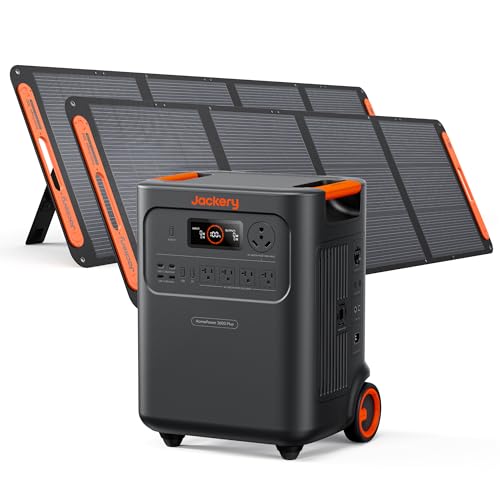
Figuring out how much power you need for camping is the single most important step before you buy a portable power station or solar generator. Get it wrong and you either haul dead weight or run out of juice on night two. This guide walks you through a practical, field-tested method to calculate your daily watt-hour budget, size your battery bank, and plan for real-world solar charging variables.

This article contains affiliate links. We may earn a small commission at no extra cost to you if you make a purchase through these links.

Review Methodology: At Outdoor Power Reviews we test every power station and solar panel under realistic loads. We run mini-fridges, charge laptops, and operate CPAP machines until batteries hit cutoff. We measure actual usable capacity versus advertised specs, track solar input in partial shade, and verify inverter efficiency at different load levels. The calculations below reflect the same spreadsheet method we use in our lab and on extended off-grid trips.

[table-of-contents]

Step 1: List Your Camping Devices

Start by writing down every electrical device you plan to use. Group them by category so nothing gets missed. Typical camping loads fall into these buckets:

  • Communication and navigation: smartphone, tablet, GPS unit, two-way radios.
  • Lighting: LED lanterns, headlamps, string lights, campsite flood light.
  • Cooking and cooling: electric kettle, portable coffee maker, induction hot plate, 12 V mini-fridge or compressor cooler.
  • Comfort and health: CPAP machine, heated blanket, fan, electric air pump.
  • Work and entertainment: laptop, drone batteries, camera batteries, portable speaker, projector.
  • Tools and miscellaneous: power tool battery chargers, tire inflator, Starlink dish, water pump.

Don’t forget parasitic loads. A power station’s own display, Bluetooth module, and inverter standby draw can consume 5 to 15 watt-hours per day even when you think nothing is plugged in. Add a line item for “station overhead” once you pick a model.

Step 2: Find Each Device’s Wattage

Every device has a power rating in watts (W). This is the instantaneous draw. You will find it on the label, in the manual, or on the manufacturer’s website. Look for two numbers:

  • Continuous watts: the steady draw during normal operation.
  • Peak or surge watts: the brief spike at startup. Compressor fridges, induction burners, and power tools can surge 2x to 3x their running watts for a few seconds.

If a label only shows volts (V) and amps (A), multiply them: Watts = Volts × Amps. For USB devices the label may list output like “5 V / 3 A” which equals 15 W. Laptop bricks often read “20 V / 3.25 A” = 65 W. Write the continuous wattage next to each device on your list.

Important distinction: watts measure rate of energy flow. Watt-hours (Wh) measure total energy consumed over time. A 60 W light running for 10 hours uses 600 Wh. A 600 W microwave running for 10 minutes uses 100 Wh. Both draw 600 W at the moment they are on, but their energy budgets are wildly different.

Step 3: Estimate Daily Hours of Use for Each Device

Now assign a realistic daily run time for each device. Be honest. A phone might charge for 2 hours. A laptop might run 4 hours. A mini-fridge compressor cycles on and off; a typical 45 L compressor fridge runs 30 to 50 percent of the time in 80 °F ambient, so 8 to 12 hours of actual compressor run per 24 hours. LED lights might run 5 hours after dark. A CPAP without humidifier runs all night, roughly 8 hours.

Create a simple table. We will use one in the real-world example below. For now, just jot the hours next to each device.

Step 4: Calculate Your Daily Watt-Hours

Multiply each device’s continuous watts by its daily hours of use. That gives you watt-hours per day per device. Sum them all for your daily energy budget.

Formula: Daily Wh = Σ (Device Watts × Hours Per Day)

Example: a 60 W laptop used 4 hours = 240 Wh. A 40 W mini-fridge compressor running 10 hours = 400 Wh. Two 5 W LED lanterns for 5 hours = 50 Wh. Phone charging 15 W for 2 hours = 30 Wh. Subtotal = 720 Wh per day.

This number is your baseline. It does not yet account for conversion losses, temperature effects, or the fact that you should never drain a battery to zero.

Step 5: Add a 20% Safety Buffer

Apply a 20 percent safety margin to your daily Wh total. This covers three real-world factors:

  • Inverter efficiency: Most portable power stations convert DC battery voltage to 120 V AC at 85 to 93 percent efficiency. The rest becomes heat. If you run AC loads, you lose 7 to 15 percent of the energy you put in.
  • Depth of discharge (DoD) limits: Lithium-ion (NMC) batteries should not regularly go below 20 percent state of charge. Lithium iron phosphate (LiFePO4) can go deeper but still benefits from a 10 to 20 percent reserve for longevity. Treat the bottom 20 percent as emergency reserve only.
  • Weather and aging: Cold weather reduces usable capacity. A battery rated 1000 Wh at 77 °F may deliver only 800 Wh at 32 °F. After 500 cycles capacity drops another 10 to 20 percent.

Multiply your daily Wh by 1.2. In the example above: 720 Wh × 1.2 = 864 Wh. Round up to 900 Wh per day. That is the usable capacity you need from your power station each day.

Real-World Example: Three-Day Car Camping Trip

Let’s size a system for a family of two doing a three-night car camping trip in late spring. They want to run a 12 V compressor fridge, charge two phones and a laptop, run LED lights, and brew coffee each morning with a 600 W portable coffee maker for 5 minutes.

Device Continuous Watts Daily Hours Daily Wh
12 V Compressor Fridge (45 L) 45 10 (compressor run time) 450
Smartphone ×2 (charging) 15 each 2 each 60
Laptop (65 W brick) 65 3 195
LED Lanterns ×2 5 each 5 50
Coffee Maker (600 W × 5 min) 600 0.083 50
Power Station Overhead 8 24 192
Subtotal 997
+20% Buffer 1196

Rounded daily requirement: 1200 Wh per day.

For three full days off-grid with no solar recharge, they need 3 × 1200 Wh = 3600 Wh of usable capacity. A single 2000 Wh power station (like an EcoFlow Delta 2 Max or Bluetti AC200P) would fall short. They have three options:

  • Option A: Buy a 3600 Wh class station (e.g., EcoFlow Delta Pro, Bluetti AC300 + B300). Expensive and heavy.
  • Option B: Buy a 2000 Wh station plus a 200 W solar panel. On a sunny spring day a 200 W panel with MPPT controller yields roughly 800 Wh. That covers two-thirds of daily demand, stretching the battery to three days.
  • Option C: Reduce loads. Skip the coffee maker, use a propane stove. Drop laptop usage to 1 hour. New daily budget approximately 800 Wh. A 2000 Wh station now lasts 2.5 days; add a 100 W panel for indefinite stay.

This is why power station sizing is inseparable from solar charging strategy. A 100 W panel in full sun produces about 400 Wh per day. In partial shade or cloudy conditions it may produce 100 Wh. In winter at northern latitudes, maybe 50 Wh. Always size solar for the worst realistic day if you need true autonomy.

Solar Charging Variables and Weather Impact

Solar input is the most overestimated variable in off-grid planning. A 200 W panel rated at STC (Standard Test Conditions: 1000 W/m² irradiance, 25 °C cell temp) rarely hits 200 W in the field. Real-world factors:

  • Sun angle and time of year: A panel flat on a roof at 40° latitude in November gets 30 percent of its summer noon output.
  • Temperature: Solar panels lose approximately 0.4 percent efficiency per °C above 25 °C. On a hot hood, a 200 W panel might output 160 W peak.
  • Shade: Even a small shadow across one cell can cut string output by 50 percent unless the panel has bypass diodes or you use multiple smaller panels in parallel.
  • MPPT vs PWM: All quality portable power stations now use MPPT (Maximum Power Point Tracking) controllers. They harvest 15 to 30 percent more energy than PWM, especially in low light or partial shade.

Rule of thumb: divide panel rated watts by 3 to get average daily Wh in mixed conditions. A 200 W panel equals approximately 600 Wh per day average. In peak summer desert sun, divide by 2. In winter clouds, divide by 5.

Battery Chemistry: Lithium-Ion vs LiFePO4

Two chemistries dominate portable power stations:

  • NMC (Nickel Manganese Cobalt) lithium-ion: Higher energy density, lighter, cheaper per Wh. Typical cycle life 500 to 800 cycles to 80 percent capacity. Used in Jackery Explorer series, Goal Zero Yeti X line, EcoFlow Delta 2.
  • LiFePO4 (Lithium Iron Phosphate): Heavier, lower energy density, but 2500 to 3500 cycles to 80 percent. Safer thermal runaway profile and superior performance at temperature extremes. Found in Bluetti AC series, EcoFlow Delta Pro, and newer Anker 757 models.

For camping, NMC makes sense if your trips last a few years before the battery degrades. LiFePO4 justifies the weight and cost if you camp 50+ days per year, tow a trailer, or plan to keep the station a decade.

Accounting for Peak Power Surges

Your daily watt-hour budget tells you total energy but not peak load. A power station must handle the surge watts of your highest-draw simultaneous devices. This is separate from capacity sizing.

Example: if you try to run a 600 W coffee maker, a 60 W laptop charger, and a 40 W fridge compressor all at once, you need 700 W continuous rating (600 + 60 + 40). If the fridge has a 90 W surge on startup while the coffee maker is heating, you need 690 W peak handling. Most 1000+ Wh stations can do this. Smaller units (under 500 Wh) often cap at 300 to 400 W, forcing you to stagger loads.

Check your power station’s continuous and peak wattage ratings. Match them to your highest expected simultaneous draw, not just average loads.

Temperature Effects on Battery Performance

Lithium batteries lose usable capacity in cold. A 1000 Wh station at 77 °F might deliver only 750 Wh at 32 °F due to increased internal resistance. Below freezing, recharge rates also slow. NMC chemistry is slightly more cold-sensitive than LiFePO4.

For winter camping or northern trips, add another 15 to 25 percent to your buffer if temperatures drop below 50 °F. Insulate the power station and solar panels during setup. Some users place a station in a sleeping bag at night to retain heat.

Multi-Day Trips and Autonomy Planning

If you camp without resupply for 5+ days, you must either carry enough battery capacity or guarantee solar recharge. Here is the math:

  • Full autonomy (no solar, no resupply): Battery capacity must equal (Daily Wh × Number of Days). This is heavy and expensive.
  • Solar hybrid (assumed sunny days): Battery capacity = (Daily Wh × 2). Solar covers half on average days. On cloudy days you draw down; on sunny days you recharge. Requires honest weather forecasting.
  • Load reduction (extended trips): Cut consumption with propane cooking, solar-charged USB banks for phones, unplug non-essentials after dark. Realistic daily budget drops 30 to 50 percent, making smaller batteries viable.

Quick Reference: Typical Camping Device Wattages

Use this table to estimate devices you haven’t measured yet:

Device Type Typical Continuous Watts Peak/Surge Watts
Smartphone charging (USB-C 20 W) 15 to 20 20
Laptop charger (65 W) 50 to 65 65
LED lantern (10 W equivalent) 1 to 3 3
Mini-fridge compressor (45 L) 35 to 50 80 to 120 (startup)
CPAP machine (no humidifier) 30 to 50 50 to 70
Portable coffee maker (600 W) 600 600 to 800
Electric kettle (1500 W) 1500 1500 to 1800
Induction cooktop (portable) 1400 to 1800 1800 to 2000
Portable air pump (12 V) 120 150
Tire inflator (120 V AC) 300 to 500 500 to 800

Frequently Asked Questions

What power station capacity do I need for a weekend car camping trip?

For a family of two with a fridge, lights, and device charging, plan 800 to 1200 Wh per day. A 1500 to 2000 Wh power station covers two nights comfortably. Adding a 100 W solar panel lets you extend indefinitely or use a smaller battery.

Can I use a power station while it’s charging from solar?

Yes. Most modern power stations allow simultaneous solar input and AC load output. In fact, this is the core of off-grid camping: solar charges the battery while you draw power. If solar input exceeds your load, the battery charges. If your load exceeds solar input, the battery discharges. This is called “pass-through charging” and nearly all quality units support it.

How do I know if my devices will work with a power station inverter?

Is it better to size a bigger power station or add more solar?

Found this useful? Send it to someone who needs it.

Leave a Comment

Your email address will not be published. Required fields are marked *

Scroll to Top
© 2026 Outdoor Power Reviews — Affiliate Disclosure  |  Privacy Policy  |  Terms  |  About
As an Amazon Associate we earn from qualifying purchases.