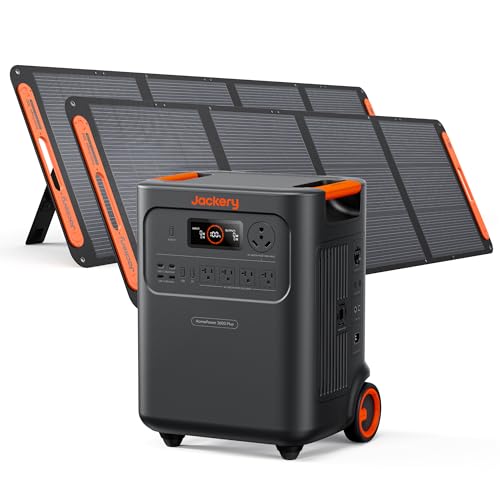
Choosing between an LFP and NMC portable power station is one of the most important decisions you will make for off-grid power. The battery chemistry determines how long your unit lasts, how safe it is in extreme temperatures, and what you pay over years of use. This guide breaks down the real-world differences so you can buy with confidence.
Review Methodology: Our team tests portable power stations in field conditions ranging from summer desert camping to sub-freezing winter overlanding. We cycle units to 80% capacity, measure charge efficiency, and track thermal behavior under load. Data is cross-referenced with manufacturer specifications and cell-level datasheets from CATL, LG Chem, and Panasonic.
[table-of-contents]LFP vs NMC Power Station Battery Chemistry: What’s the Difference?
The LFP vs NMC power station debate centers on cathode chemistry. Lithium iron phosphate (LFP) uses iron and phosphate. Nickel manganese cobalt (NMC) uses nickel, manganese, and cobalt. Both are lithium-ion, but the materials create distinct performance profiles.
LFP cells typically operate at 3.2 volts nominal. NMC cells run at 3.6 to 3.7 volts nominal. That voltage difference means NMC packs need fewer cells in series to hit a target voltage, which influences pack design and battery management systems (BMS) complexity.
Major brands have aligned around chemistry. EcoFlow Delta Pro, Bluetti AC500 + B300S, and Anker 757 PowerHouse use LFP. Jackery Explorer series, Goal Zero Yeti, and DJI Power 1000 use NMC. This split reflects different design priorities: maximum cycle life versus minimum weight.
| Attribute | LFP (Lithium Iron Phosphate) | NMC (Nickel Manganese Cobalt) |
|---|---|---|
| Typical Cycle Life (to 80%) | 3,000 – 6,000+ cycles | 500 – 1,500 cycles |
| Energy Density | 90 – 120 Wh/kg | 150 – 220 Wh/kg |
| Thermal Runaway Onset | ~270°C (518°F) | ~150°C (302°F) |
| Operating Temp Range (Discharge) | -20°C to +60°C (-4°F to 140°F) | -10°C to +45°C (14°F to 113°F) |
| Calendar Aging (10 yr at 25°C) | ~10-15% capacity loss | ~20-30% capacity loss |
| Cobalt Content | Zero | 10-20% by weight |
| Cost per kWh (Cell Level) | $150 – $200 | $80 – $120 |
Cycle Life Comparison: LFP vs NMC Power Station Longevity
Battery cycle life and degradation is where LFP dominates. A quality LFP pack rated for 3,500 cycles at 80% depth of discharge (DoD) will still hold approximately 80% capacity after daily cycling for nearly a decade. NMC packs typically hit 80% retention at 800 to 1,200 cycles under similar conditions.
Real-world data from CATL datasheets shows LFP cells retaining 90% capacity after 2,000 cycles at 1C charge/discharge and 25°C. NMC cells from LG Chem and Panasonic show 85% retention at 1,000 cycles under the same test. The gap widens at higher temperatures or deeper discharges.

Calendar aging versus cycle aging matters for occasional users. LFP loses roughly 2-3% capacity per year sitting at 50% state of charge (SOC) and 25°C. NMC loses 4-6% per year under identical storage. If you only camp a few weekends annually, calendar aging may dominate your degradation curve.
Cost per cycle economics flip the upfront price advantage. At $180/kWh cell cost and 4,000 cycles, LFP works out to approximately $0.045 per kWh delivered over life. At $100/kWh and 1,000 cycles, NMC costs approximately $0.10 per kWh delivered. For van life or off-grid cabin use, LFP pays for its premium within 2-3 years of daily cycling.
Energy Density Trade-Off
Energy density and weight efficiency is NMC’s clear win. NMC packs deliver 150-220 Wh/kg at the cell level. LFP delivers 90-120 Wh/kg. At the system level (including BMS, enclosure, cooling), a 2 kWh NMC unit like the Jackery Explorer 2000 Plus weighs approximately 43 lbs. A comparable LFP unit like the EcoFlow Delta 2 Max weighs approximately 52 lbs for similar capacity.
That energy density and weight penalty co-occurrence matters for portable use. If you carry your power station from vehicle to campsite, or load it into a roof box, every pound counts. NMC units in the 1-2 kWh class are noticeably easier to lift one-handed.
For stationary applications (home backup, off-grid cabin, van build), the weight difference rarely matters. The Bluetti AC500 + B300S expansion system scales to 18+ kWh with LFP. The weight stays in place. For grab-and-go camping, NMC’s lighter chassis is a genuine advantage.
Safety Comparison
Thermal runaway and fire risk is the most cited safety differentiator. LFP’s olivine crystal structure remains stable to approximately 270°C. NMC’s layered oxide structure begins decomposing at approximately 150°C, releasing oxygen that feeds combustion. This is chemistry, not marketing.

Both chemistries are safe when managed by a proper BMS (Battery Management System) with overcurrent, overvoltage, overtemperature, and short-circuit protection. All major brands carry UL 2743, CE marking, and FCC compliance. The difference appears in abuse scenarios: puncture, crush, or external fire exposure.
Nail penetration tests on LFP cells typically show venting and smoke without open flame. NMC cells under the same test often produce jet flames exceeding 1,000°C. For indoor home backup or enclosed van installations, LFP’s higher thermal stability provides a wider safety margin.
Cobalt mining and supply chain ethics adds a non-technical safety dimension. NMC’s cobalt content (10-20% by weight) links to artisanal mining concerns in the Democratic Republic of Congo. LFP uses zero cobalt. Major cell makers including CATL and LG Chem publish responsible sourcing reports, but the cobalt-free chemistry eliminates the exposure entirely.
Temperature Performance
Operating temperature range and cold weather battery performance strongly favor LFP. Most LFP power stations discharge down to -20°C (-4°F) at reduced capacity. NMC units typically cut off at -10°C (14°F) to prevent lithium plating on the anode.
At -20°C, an LFP pack delivers approximately 70% of rated capacity at 0.2C discharge. An NMC pack at -10°C delivers approximately 50% at the same rate. The cold weather performance and discharge rate co-occurrence is critical for winter camping, ice fishing, or northern overlanding.
Charging in cold is a separate constraint. Neither chemistry should be charged below 0°C (32°F) without active heating. LFP units like the EcoFlow Delta Pro include internal heaters that draw from AC or solar input to warm cells before charging. Most NMC units rely on passive warming or user intervention.

High-temperature operation also differs. LFP tolerates sustained discharge at 60°C (140°F) with accelerated but manageable aging. NMC above 45°C (113°F) sees rapid calendar aging and increased internal resistance and heat generation. In a hot vehicle trunk or unventilated compartment, LFP survives conditions that degrade NMC permanently.
Which Battery Should You Choose for Your Power Station?
Choose LFP If:
- You need daily cycling for van life, off-grid cabin, or full-time RV use
- You want 10+ year service life with minimal capacity loss
- You operate in extreme cold (-20°C) or extreme heat (+60°C)
- You prioritize thermal safety for indoor or enclosed installations
- You want to avoid cobalt supply chain concerns
- You calculate value on cost per cycle over total ownership
Choose NMC If:
- You need the lightest possible unit for carry-in camping, photography, or drone work
- You cycle infrequently (under 50 cycles per year)
- You operate primarily in moderate temperatures (0°C to 35°C)
- Upfront budget is the primary constraint
- You value maximum runtime per pound of pack weight
The lifespan value proposition calculation depends on your use pattern. For a weekend camper doing 20 cycles per year, an NMC unit lasting 1,000 cycles provides 50 years of theoretical life. Calendar aging will kill it first. For a van lifer doing 300 cycles per year, LFP’s 4,000 cycles yields 13 years versus NMC’s 3 years.
Warranty period and cycle count guarantee varies by brand. EcoFlow warrants LFP units for 5 years with 3,500 cycles to 80%. Bluetti offers 4 years and 3,500+ cycles on LFP expansion batteries. Jackery warrants NMC units for 3 years with no explicit cycle count. Goal Zero provides 2 years on NMC. Read the fine print. Some warranties exclude commercial or daily cycling use.
For authoritative technical specifications on cell-level performance, consult CATL’s official datasheets, which provide verified cycle-life and thermal stability data used by major power station manufacturers.
FAQ: LFP vs NMC Power Station Questions
How many times can I recharge an LFP power station before it degrades?
Quality LFP cells deliver 3,000 to 6,000 full cycles to 80% capacity retention. At one full cycle per day, that is 8 to 16 years. Partial cycles (for example, 50% DoD) extend cycle count proportionally. A power station cycled at 50% depth of discharge daily can reach 12,000 cycles, extending service life to 33 years before calendar aging becomes the limiting factor.
Can I use an NMC power station in winter camping?
NMC units function in winter but with significant capacity loss below -10°C (14°F). At -20°C, output drops to 30-40% of rated capacity. For winter camping below freezing, LFP is the safer choice. Its -20°C discharge rating and internal heating capability make it reliable when temperatures drop.

Is LFP really safer than NMC?
LFP is more thermally stable. It resists thermal runaway to 270°C versus NMC’s 150°C. In normal operation with proper BMS, both are safe. In abuse scenarios (crush, puncture, fire exposure), LFP is significantly less likely to ignite. For vehicles or enclosed spaces, LFP’s safety margin matters.
Will an LFP power station last twice as long as NMC?
At the cell level, yes. LFP cycles are typically 3-6 times higher. However, real-world lifespan depends on calendar aging, usage patterns, and warranty coverage. A weekend-use NMC unit may outlive a heavily cycled system of either chemistry due to low calendar stress. Calculate based on your specific cycling frequency.
Why is NMC still used if LFP is better?
NMC’s energy density (30-40% higher) makes units 15-25% lighter for identical capacity. For carry-in use cases (hiking, photography, drone work), weight matters more than lifespan. NMC also costs 20-30% less at the cell level, enabling lower entry prices. Neither chemistry is universally better. Both solve different problems.
What happens to an LFP or NMC battery if stored for a year?
LFP loses 2-3% capacity annually at 50% SOC and 25°C. NMC loses 4-6% under identical conditions. Store either chemistry at 50% SOC (not 0% or 100%) in a cool, dry place. Cold storage (below 10°C) dramatically slows calendar aging for both types. Check the unit quarterly and top up if SOC drops below 30%.
Key Takeaway: LFP excels for daily-use, extreme-temperature, and long-term ownership scenarios. NMC wins for lightweight portability and budget-conscious, infrequent-use applications. Match the chemistry to your actual use pattern, not marketing claims.