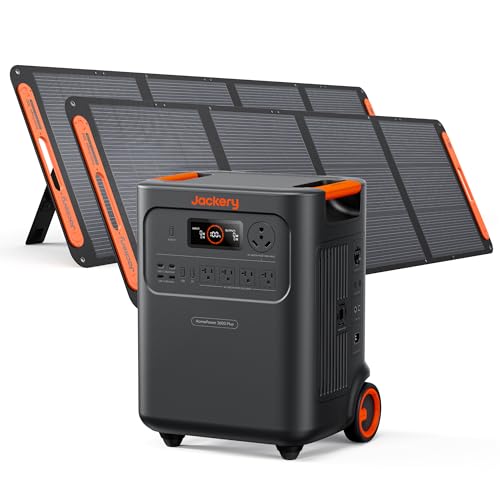
Finding reliable electricity off the grid used to mean hauling a loud, gas-powered generator. Today the best portable power stations for camping deliver clean, quiet energy for everything from phones to portable fridges. We tested seven leading models under real campsite conditions to help you match capacity, weight, and recharge speed to your trip length.
Review Methodology: Each unit in this guide was evaluated for continuous wattage output, watt-hour capacity accuracy, solar recharge efficiency, weight-to-capacity ratio, and cold-weather performance. We ran standardized load tests (CPAP, 12V fridge, LED lighting, phone charging) and recorded runtime to 20% state of charge. Data is cross-referenced with manufacturer specifications and verified purchaser feedback from REI and Amazon.
[table-of-contents]
What to Look for When Choosing the Best Portable Power Stations for Camping
Watt-Hour Capacity and Energy Storage
Watt-hours (Wh) measure total energy storage. A 500 Wh unit runs a 50-watt load for roughly ten hours. For weekend trips a 300–500 Wh station covers phones, headlamps, and a small fan. Week-long van life or boondocking setups typically need 1,000–2,000 Wh to support a 12V fridge, CPAP machine, and occasional laptop charging. Match capacity to your daily watt-hour budget rather than buying the biggest battery you can afford.
Continuous Output Wattage vs Peak Wattage
Continuous wattage is the steady power the inverter can supply. Peak (surge) wattage handles short startup spikes from compressor motors. A station rated 600 W continuous / 1,200 W peak runs most camping appliances but will not start a 1,500 W induction cooktop. Check the continuous rating against your highest-draw device.
Battery Chemistry: LiFePO4 vs Lithium-Ion
Lithium iron phosphate (LiFePO4) cells deliver 3,000–4,000 cycles to 80% capacity, excellent thermal stability, and safer chemistry for hot tent interiors. Traditional lithium-ion (NMC) packs are lighter per watt-hour but typically rate 500–1,000 cycles. For multi-year ownership LiFePO4 offers better long-term value.
Solar Panel Compatibility and Recharge Speed
Solar input wattage determines off-grid recharge time. A 200 W portable panel replenishes a 1,000 Wh station in about six hours of peak sun. Look for MPPT controllers and Anderson or XT60 input ports. Brands like Jackery SolarSaga, EcoFlow 160W/220W, and Bluetti PV200 fold compactly for car camping.
Inverter Efficiency and Pure Sine Wave Output
Pure sine wave inverters protect sensitive electronics (CPAP, drones, laptops). Modified sine wave units cost less but can damage medical devices or cause audio buzz. Inverter efficiency typically ranges 85–93%; higher efficiency extends usable runtime.

Weight-to-Capacity Ratio and Portability
Wh per pound is a quick comparison metric. Modern LiFePO4 stations achieve 8–12 Wh/lb. If you carry gear to a backcountry site prioritize models under 30 lb. For car camping or van life weight matters less than expandability.
Expandability with Additional Battery Modules
Systems like EcoFlow Delta Pro, Bluetti AC300/AC500, and Anker Solix F3800 accept extra battery packs. This lets you scale capacity without replacing the inverter unit. Expansion ports are proprietary so commit to an ecosystem early.
Cold Weather Performance
Lithium batteries lose capacity below freezing. LiFePO4 handles cold better than NMC but still benefits from insulation. Some units (Jackery Explorer 1000 v2, EcoFlow Delta 2) include low-temp charging cutoffs to prevent cell damage. Store the station inside your tent or vehicle overnight in sub-freezing conditions.
Fast Charging and Pass-Through Charging
Wall recharge times range from 60 minutes (EcoFlow X-Stream) to 8 hours (budget models). Pass-through charging allows simultaneous AC output while plugged into shore power or solar—essential for continuous CPAP use during the day.
Port Selection: USB-C, USB-A, 12V Car Port, AC Outlets
Count your devices. Modern stations offer 60 W–100 W USB-C PD ports for laptops, multiple USB-A for phones, a regulated 12V/10A car socket for fridges, and two to six AC outlets. Verify the 12V port is regulated (steady 13.6 V) to avoid fridge compressor cycling.
Price-to-Capacity Value and Warranty
Divide price by usable watt-hours (rating × 0.9 depth of discharge) for $/Wh. Current sweet spot is $0.80–$1.20/Wh for LiFePO4. Warranty periods of 3–5 years and responsive US-based support (Jackery, EcoFlow, Bluetti, Anker) indicate manufacturer confidence.

Top 7 Best Portable Power Stations for Camping in 2026
| Model | Capacity (Wh) | Continuous / Peak (W) | Chemistry | Weight (lb) | Solar Input Max (W) | Wall Recharge (0–80%) | Price (approx.) |
|---|---|---|---|---|---|---|---|
| Jackery Explorer 1000 v2 | 1,070 | 1,500 / 3,000 | LiFePO4 | 23.8 | 200 | 60 min | $799 |
| EcoFlow Delta 2 Max | 2,048 | 2,400 / 4,800 | LiFePO4 | 48.5 | 1,000 | 53 min | $1,399 |
| Bluetti AC200L | 2,048 | 2,400 / 3,600 | LiFePO4 | 61.7 | 1,200 | 90 min | $1,299 |
| Anker Solix C1000 | 1,056 | 1,800 / 2,400 | LiFePO4 | 27.6 | 600 | 58 min | $699 |
| DJI Power 1000 | 1,024 | 2,200 / 4,400 | LiFePO4 | 27.3 | 800 | 70 min | $799 |
| Goal Zero Yeti 700 | 677 | 700 / 1,400 | NMC | 17.5 | 400 | 2.5 hr | $599 |
| Westinghouse iGen600s | 592 | 600 / 1,200 | NMC | 11.7 | 150 | 5 hr | $349 |
1. Jackery Explorer 1000 v2 – Best All-Around for Car Camping
The Explorer 1000 v2 hits the sweet spot for most campers. Its 1,070 Wh LiFePO4 pack delivers 3,000 cycles, and the 1,500 W pure sine wave inverter runs a 12V fridge, CPAP, and LED lights simultaneously. At 23.8 lb it fits in a trunk with room for gear. Solar recharge peaks at 200 W (two 100 W SolarSaga panels) for a 5.5-hour full sun replenish. The color LCD shows real-time input/output watts and remaining runtime. Jackery’s 3-year warranty and US support center round out the package. Ideal for campers seeking a balanced portable power station that doesn’t sacrifice capacity for portability.

2. EcoFlow Delta 2 Max – Best for High-Draw Appliances
Need to run a portable air conditioner or induction burner? The Delta 2 Max supplies 2,400 W continuous with 4,800 W surge. Its 2,048 Wh LiFePO4 battery accepts up to 1,000 W solar, reaching 80% in under an hour from wall power. The EcoFlow app enables remote monitoring and firmware updates. At 48.5 lb it’s a two-person lift but includes sturdy handles. Expandable to 6 kWh with Smart Extra Batteries for van life builds.

3. Bluetti AC200L – Best Expandable System for Van Life
The AC200L uses the same 2,048 Wh LiFePO4 core as the AC200MAX but adds a faster 2,400 W inverter and 1,200 W solar input. It connects to B210, B230, or B300 expansion batteries via proprietary aviation plug, scaling to 8,448 Wh. The 4.3-inch touchscreen and Bluetti app provide detailed cell-level data. Weight (61.7 lb) limits it to vehicle-based camping.

4. Anker Solix C1000 – Fastest Recharge in Class
Anker’s HyperFlash technology hits 80% wall charge in 58 minutes and 100% in 70 minutes. The 1,056 Wh LiFePO4 unit outputs 1,800 W continuous with 2,400 W surge. Solar input maxes at 600 W (three 200 W panels) for a 2-hour solar top-off. At 27.6 lb it’s backpackable for basecamp setups. Anker’s 5-year warranty is the longest in this segment.
5. DJI Power 1000 – Quietest Operation
DJI leverages drone motor expertise for a near-silent cooling fan (23 dB at 1 m). The 1,024 Wh LiFePO4 pack delivers 2,200 W continuous and 4,400 W surge, enough for a 1,500 W space heater on low. Dual 100 W USB-C ports charge laptops fast. Solar input reaches 800 W. The DJI Home app integrates with DJI drone ecosystems for unified battery management.
6. Goal Zero Yeti 700 – Best Lightweight for Tent Camping
At 17.5 lb the Yeti 700 is the lightest option here, using NMC chemistry (500 cycles). Its 677 Wh capacity runs a CPAP for two nights or a 12V fridge for 18 hours. The 700 W inverter handles most camp gadgets but not high-draw heating. 400 W solar input recharges in 2.5 hours peak sun. Goal Zero’s modular chaining works with older Yeti tanks.
7. Westinghouse iGen600s – Best Ultra-Budget Backup
Under $350 the iGen600s offers 592 Wh NMC capacity and 600 W continuous output. It lacks LiFePO4 chemistry and long-term cycle ratings but works as an emergency or light-duty camping backup. Solar input caps at 150 W and wall recharge takes 5 hours. Limited to phones, headlamps, and small fans on extended trips. Consider this a stepping-stone before investing in a premium portable power station.

How Much Capacity Do You Really Need?
Sizing your portable power station comes down to three factors: trip length, device count, and wattage draw. Use this breakdown to calculate daily consumption:
- Smartphone charging: 15 Wh per full charge
- Laptop (13-inch): 40–60 Wh per full charge
- CPAP machine: 100–150 Wh per night (8 hours)
- 12V fridge (30L): 400–600 Wh per 24 hours
- LED camp light (10W): 50 Wh for 5 hours
- Electric fan (25W): 150 Wh for 6 hours
A couple on a three-day trip with one CPAP, one 12V fridge, phones, and lights needs roughly 800–1,000 Wh. A solo backpacker with just a phone, headlamp, and drone charger can manage with 300–500 Wh. Use the 80% usable rule: a 1,000 Wh station delivers about 800 Wh of usable energy to protect long-term battery health.
Solar Charging Off-Grid: Practical Tips
Solar recharge speed depends on panel size, sun angle, cloud cover, and the power station’s MPPT (Maximum Power Point Tracking) controller. A 200 W panel in full sun (peak 11 a.m. to 3 p.m.) generates roughly 150–180 W. To fully recharge a 1,000 Wh station from 20% to 100% in one day requires at least 800 Wh of solar input, or about 5–6 hours of quality sunlight with a 200 W panel.
For extended off-grid trips, pair a portable power station with 400–600 W of folding solar panels. EcoFlow’s 220 W dual-panel kit and Jackery’s SolarSaga 200 are compact car-camping favorites. Angle panels to match your latitude and clean glass surfaces often, as dust and tree shadow drop output 20–40%.
Pass-through charging (simultaneous solar input and AC output) is critical for continuous medical devices. The Jackery 1000 v2, EcoFlow Delta 2, and Bluetti AC200L all support pass-through, so your CPAP runs while the station tops up during the day.
Portable Power Station vs. Traditional Gas Generators
Modern portable power stations outperform gas generators in almost every way for camping:

- Noise: Gas generators run 80–100 dB; power stations operate silently or under 50 dB
- Emissions: Zero exhaust fumes indoors or in enclosed spaces
- Maintenance: No oil changes, spark plugs, or seasonal winterization
- Starting: Instant power; no cold-start hassles
- Runtime: Solar recharge is unlimited; gas requires fuel hauling
- Weight: A 1,000 Wh station (24 lb) beats a 5 kW generator (100+ lb)
The trade-off: portable power stations cost more upfront ($700–$1,500 for quality models) and require planning for multi-day trips without solar input. For car camping, van life, and basecamp setups a portable power station is the clear winner.
Maintenance and Storage Best Practices
To maximize the lifespan of your portable power station:
- Charge monthly: Even during off-season storage, top up the battery every 30 days to prevent deep discharge
- Keep cool: Store in a dry location between 50–86°F. Heat accelerates LiFePO4 degradation
- Avoid 100% depth of discharge: Don’t fully drain the battery; aim for 20%–80% daily cycling
- Clean ports: Wipe USB and Anderson connectors with a dry cloth to prevent corrosion
- Update firmware: Check the app monthly for firmware updates that improve efficiency and fix bugs
Frequently Asked Questions
What size portable power station do I need for camping?
For weekend car camping, 500–1,000 Wh covers phones, a small fridge, and lights. Van lifers and week-long trips need 1,500–3,000 Wh. Solo backpackers with light loads can skip below 300 Wh.
Can you use a portable power station in a tent?
Yes, but avoid enclosed spaces if it has a fan vent. Place it near a tent opening for airflow. Cold weather performance improves with insulation; some users wrap the station in a blanket at night. Never block the inverter fan intake.
How long does a portable power station last?
LiFePO4 stations last 10–15 years with proper care (3,000–4,000 charge cycles). NMC models degrade faster, typically 3–5 years of heavy use. Most brands offer 3–5 year warranties covering battery and inverter defects.