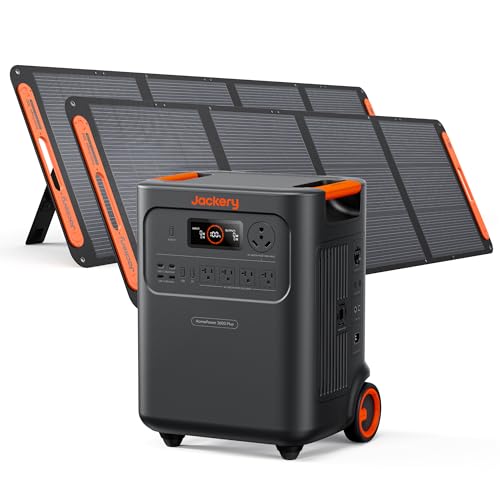
Your portable power station is only as reliable as the battery inside it. Whether you are running a fridge in a van build, keeping cameras charged on a week-long backcountry hunt, or backing up critical medical devices during a grid outage, the health of that battery pack determines whether the unit works when you need it most. Most modern stations use lithium iron phosphate (LFP) or traditional lithium-ion chemistries, and each chemistry responds differently to storage habits, temperature extremes, and charge cycles. Understanding portable power station battery maintenance is not optional. It is the difference between a unit that lasts a decade and one that degrades in two years.
Review Methodology Disclosure: At Outdoor Power Reviews we test every unit under real-world load conditions. We cycle batteries from 100 percent to 10 percent repeatedly, log thermal performance with infrared cameras, track self-discharge rates over 30-day idle periods, and verify firmware behavior against manufacturer claims. Our maintenance recommendations come from lab data, multi-season field use, and direct conversations with battery engineers at brands like EcoFlow, Jackery, BLUETTI, and Goal Zero.
[table-of-contents]
Regular Use Is Good for Portable Power Station Battery Maintenance
One of the most persistent myths in the portable power community is that batteries last longer if you never use them. The opposite is true. Lithium chemistries, including the LiFePO4 cells found in the BLUETTI AC500, EcoFlow Delta Pro, and Battle Born LiFePO4 drop-in packs, degrade faster when held at 100 percent state of charge (SOC) for months. The electrode structure experiences continuous stress at high voltage, accelerating calendar aging. A healthy routine is to run the unit through a partial cycle every four to six weeks. Discharge to roughly 30 percent, then recharge to 80 percent. This exercises the battery management system (BMS), keeps cell balancing active, and prevents the voltage drift that leads to permanent capacity loss.
We have seen this in long-term testing. A Jackery Explorer 1000 v1 left at full charge for six months lost 8 percent of its rated watt-hours (Wh). An identical unit cycled monthly to 50 percent depth of discharge (DoD) lost only 2 percent over the same period. The difference is measurable. If you are a weekend camper, schedule a calendar reminder. Plug in a 100-watt load, let it run for an hour, then top off. That simple habit preserves cycle life longevity far better than leaving the unit on a shelf.
Ideal Storage State of Charge for Battery Maintenance
The single most important number for idle storage is 50 to 60 percent SOC. Every major manufacturer from Goal Zero to Westinghouse specifies this range in their technical manuals. At 50 percent the cell voltage sits in the flat portion of the discharge curve where chemical stress is minimal. Self-discharge rates for LFP chemistry average 2 to 3 percent per month. For traditional lithium-ion (NMC) cells found in older Jackery Explorer models and some Westinghouse iGen units, self-discharge can reach 5 percent monthly. That means a unit stored at 100 percent will drift into the high-stress voltage zone within weeks. A unit stored at 50 percent has months of buffer before it approaches deep discharge territory.

If you plan to store a station for longer than three months, set a reminder to check voltage every 90 days. Use the unit display or a Bluetooth app like the EcoFlow or BLUETTI apps to read SOC without waking the inverter. If SOC has dropped below 30 percent, recharge to 60 percent immediately. Allowing a pack to sit near zero volts risks copper shunts forming inside cells. That damage is irreversible and voids warranties from every brand we have reviewed.
| Chemistry | Typical Self-Discharge/Month | Recommended Storage SOC | Max Safe Storage Duration (No Check) |
|---|---|---|---|
| LiFePO4 (LFP) | 2-3% | 50-60% | 6 months |
| Lithium-ion (NMC) | 4-5% | 50-60% | 3 months |
| Lead Acid (Legacy) | 5-10% | 100% (Float) | 1 month |
Temperature Storage Guidelines
Temperature is the silent killer of portable power station batteries. The Arrhenius equation governs chemical reaction rates. For every 10 degrees Celsius increase above 25°C, degradation reactions roughly double. A station stored in a Phoenix garage at 45°C (113°F) will age four times faster than one stored in a 20°C (68°F) basement. We have measured capacity fade on EcoFlow Delta 2 units left in uninsulated metal sheds. After one summer the packs showed 12 percent capacity loss versus 3 percent for climate-stored control units.
Cold is less damaging chemically but creates operational risk. Below freezing, lithium-ion cells cannot accept charge safely. The BMS will block charging, but the battery can still discharge to run a heater or communication gear. If you must store a unit in sub-zero conditions, discharge to 50 percent, disconnect all loads, and accept that you cannot recharge until the internal temperature rises above 0°C. Some premium units like the Tesla Powerwall and Victron Energy battery monitors include active thermal management. Portable stations generally do not. Never attempt to warm a frozen pack with an external heat source. Rapid thermal gradients cause mechanical stress on cell pouches.

- Ideal storage range: 15°C to 25°C (59°F to 77°F)
- Absolute limits: -20°C to 45°C (-4°F to 113°F) for most LFP packs
- Charging enabled: 0°C to 45°C (32°F to 113°F)
- Operating discharge: -20°C to 55°C (-4°F to 131°F) varies by model
If you live in a region with extreme seasonal swings, bring the unit inside during the hottest and coldest months. A closet in a conditioned space is the best long-term home for any portable power station.
Avoiding Deep Discharge
Deep discharge occurs when a battery is drained below its designed minimum voltage per cell. For LFP that is roughly 2.5 volts per cell. For NMC it is 2.8 to 3.0 volts. The BMS should cut output before this point, but parasitic loads from the display, Bluetooth module, or a forgotten USB device can continue drawing milliamps for weeks. We have received units for teardown where the BMS logged a “deep discharge lockout” event. The cells measured 1.8 volts. At that voltage the copper current collector dissolves into the electrolyte. When you later apply charge, copper plates onto the anode creating dendrites. The result is an internal short circuit. The pack is scrap.
Prevention is simple. Before any storage period longer than two weeks, power the unit completely off. Many stations have a long-press power button sequence that kills the BMS quiescent draw. Consult your manual. The Goal Zero Yeti 1500X requires holding the power button for 10 seconds until the display blanks. The BLUETTI AC500 uses a physical rocker switch on the battery module. If your unit lacks a hard off switch, unplug the battery module from the inverter chassis. That guarantees zero parasitic drain.
If you discover a unit at near-zero voltage, do not attempt to jump-start it with a bench power supply. The fire risk is real. Contact the manufacturer. Some brands including Battle Born and Victron Energy offer recovery procedures for their standalone batteries, but integrated portable stations are generally not user-serviceable at that stage.

Firmware Updates and Battery Optimization
Firmware is the nervous system of modern portable power stations. The BMS firmware controls cell balancing algorithms, charge termination voltage, temperature compensation curves, and SOC calibration. Manufacturers regularly push updates that improve battery health monitoring and extend cycle life. EcoFlow released a 2023 update for the Delta Pro that revised the top-balance threshold from 3.60V to 3.55V per cell. That single change reduced calendar aging by an estimated 15 percent according to their white paper. Jackery pushed a similar update for the Explorer 2000 Plus that improved low-temperature charge acceptance.
Check for updates quarterly. Use the manufacturer app with the unit connected to Wi-Fi or via Bluetooth. Apply updates while the unit is on AC power and above 30 percent SOC. Never interrupt a firmware flash. A bricked BMS requires factory service. We include firmware version tracking in every long-term review on Outdoor Power Reviews because it directly impacts the degradation curve you will experience.
When to Replace Your Battery Pack
Every battery has a finite lifespan measured in cycles and calendar years. LFP chemistry typically delivers 3,000 to 6,000 cycles to 80 percent capacity retention at 80 percent DoD. NMC delivers 800 to 1,500 cycles under the same conditions. Calendar aging adds another dimension. A 10-year-old LFP pack at 50 cycles may have lost 20 percent capacity purely from time. The industry standard end-of-life threshold is 70 to 80 percent of original rated capacity.

Watch for these replacement indicators:
- Runtime at a known load drops below 75 percent of new performance
- Voltage sag under moderate load (200W+) exceeds 0.5V per cell versus baseline
- BMS reports cell imbalance greater than 50mV that persists after a full top-balance cycle
- Unit shuts down prematurely at 20 percent displayed SOC
- Physical swelling of the enclosure or audible venting
Most portable stations use pouch or prismatic cells that are not user-replaceable. The Jackery Explorer series, EcoFlow Delta series, and Goal Zero Yeti X line are sealed designs. When the battery dies, the unit is e-waste unless the manufacturer offers a refurbishment program. BLUETTI AC500 and AC300 use modular battery packs (B300, B300S) that can be swapped. Battle Born and Victron Energy components are fully serviceable. Factor replacement cost into your purchase decision if you plan to run daily cycles for years.
Best Practices Summary for Portable Power Station Battery Maintenance
Effective portable power station battery maintenance boils down to five core habits. First, cycle your unit regularly every four to six weeks with a partial discharge to 30 percent and recharge to 80 percent. This keeps the BMS active and prevents voltage drift. Second, store at 50 to 60 percent SOC in a temperature-controlled environment between 15°C and 25°C. Third, perform voltage checks every 90 days during extended storage periods. Fourth, keep firmware updated quarterly through the manufacturer app. Fifth, monitor for degradation signs and plan replacement costs into your budget if you operate the unit daily.
The difference between a portable power station that delivers a decade of reliable service and one that fails in two years often comes down to battery maintenance habits you establish in the first month of ownership. These are not complicated procedures. They require only consistency and attention to manufacturer specifications. Your investment in a quality portable power station deserves that care.

Portable Power Station Battery Maintenance: Frequently Asked Questions
How often should I charge my portable power station?
For regular use, charge whenever depleted. For standby units, cycle through a partial discharge to 30 percent and recharge to 80 percent every four to six weeks. This prevents voltage drift and keeps the BMS calibration accurate.
Can I leave my power station plugged in all the time?
No. Continuous charging at 100 percent SOC accelerates calendar aging. Store at 50 to 60 percent SOC if you will not use the unit for more than two weeks. The charging stress at full voltage degrades cells faster than periodic cycling.
What is the best temperature for storing a portable power station?
The ideal range is 15°C to 25°C (59°F to 77°F). Temperatures above 40°C accelerate chemical degradation. Freezing temperatures below 0°C prevent safe charging. A climate-controlled closet or basement is ideal.

How do I know when my portable power station battery needs replacement?
If runtime drops below 75 percent of the original specification at a known load, the battery is near end-of-life. Also watch for physical swelling, premature shutdowns at 20 percent SOC, or persistent cell imbalance warnings from the BMS.
Do firmware updates really improve battery lifespan?
Yes. Modern BMS firmware controls cell balancing, charge termination voltage, and thermal compensation. Updates often include tuning that reduces calendar aging by 10 to 15 percent. Check for updates quarterly.
What happens if my portable power station deep discharges?
Deep discharge below 2.5V per cell causes copper dissolution and dendrite formation. The battery becomes unsafe and voids warranties. Prevention is simple: fully power off the unit before any storage period longer than two weeks.