Portable Power Station Battery Chemistry Explained — LFP, NMC, LTO
LFP, NMC, and LTO differ on cycle life, weight, safety margin, and cost per cycle. The chemistry inside decides how the unit ages over time.

LFP, NMC, and LTO differ on cycle life, weight, safety margin, and cost per cycle. The chemistry inside decides how the unit ages over time.
They look like a heavy box with outlets. Inside sits a battery, inverter, BMS, and charge controller. Here is how each part does its job.
Charge habits, storage temperature, and depth of discharge decide how long a pack lasts. Practical maintenance for van, hunt, and backup use.
Battery chemistry decides how long your unit lasts, how it handles heat and cold, and what you pay per cycle. Here is LFP against NMC.

Both sit in the 1kWh LFP class and both promise years of service. We compare charging, ports, and expansion for van life and off-grid homes.

Portable power stations picked for medical device compatibility, simple one-button controls, and light weight so seniors keep power at home or traveling.
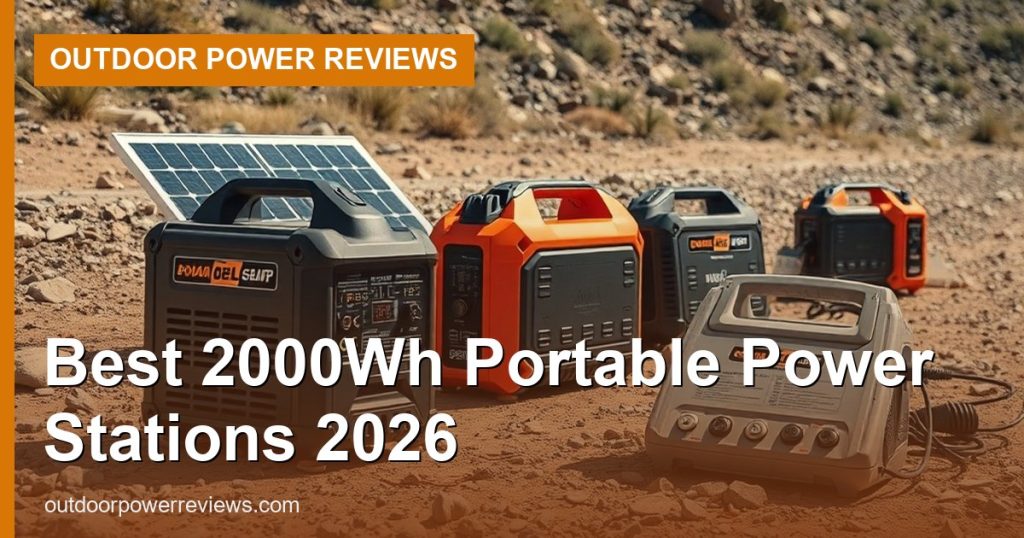
A 2000Wh station runs a 12V fridge, lights, and a fan for a full day. We compared capacity, charge speed, and battery chemistry for van life and backup.

Tailgate power comes down to surge wattage for griddles, capacity for a full game day, and weight you can carry across a lot. We ranked the best units.

The sub $300 class now includes LiFePO4 chemistry, pure sine wave output, and fast AC charging. We ranked the entry level units that actually deliver.

Six units tested boondocking in desert heat, charging from alternators on mountain passes, and running 120V appliances in a real van electrical system.